The Effects of El Niño
by Terry Irish, member, NYM Climate Crisis Ad Hoc Committee
An issue of concern for me is El Niño. It is building strength coming from the East Pacific that has warmed up substantially, which is pushing El Niño eastward, but other waters are warming up too.
I’m writing this as we enter the time of the equinox as we change seasons and the hours of daylight decrease and the nights will soon get longer.
El Niño occurs naturally about every 2-7 years, but this year’s is predicted to be the strongest since 1950 with the world’s oceans temperatures the highest on record, a rise in rainfall as weather patterns shift. The Nepal glacier collapse is one example killing thousands of people, heat waves and wild fires in Europe, flooding in Singapore, southern and east United States, and wild fires in the boundary waters of Minnesota, Canada, and California.
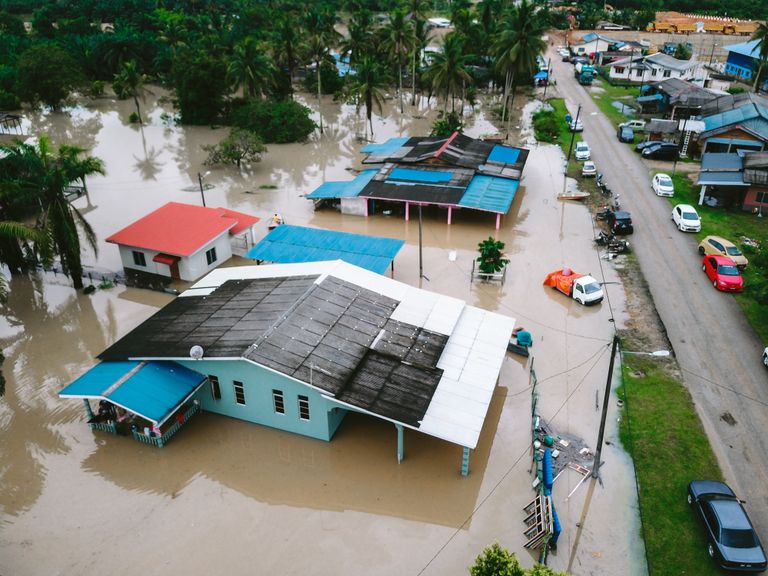
El Niño is set to be the strongest in living memory, being called a “Godzilla” event strengthening through the rest of 2026 into 2027. El Niño is expected to bring more heat, drought, flooding, and hurricanes. The continuing use of fossil fuels is contributing to climate change events also.
Minnesota is way behind on moisture, about 80% of the state is in drought. Some rain this week has helped a little bit, but per a meteorologist on Almanac last Friday stated that it may take a year or two to get out of the drought if we get a moderate amount of rain in that time.
El Niño will bring a lot of moisture across the south and east this winter. California could be very rainy this winter also. Snow will be hard to get in the Midwest, because it will be warmer.
Droughts in parts of South America and Southeast Asia could hit crops at a time when the closure of the Strait of Hormuz is already disrupting the distribution of fertilizer. This could mean smaller harvests, reduced food supply, and higher prices. There is a risk of smaller catches in fishing communities in South America. The new era of heat waves could shake up the school calendar as well, something I had not thought of before.
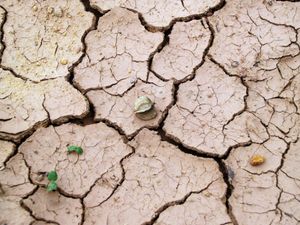
What is clear is that El Niño is now happening due to a warmer world, making its impact on the weather more extreme per the National Oceanic and Atmospheric Administration. It’s been the hottest year on record in 2026. The exact impact of the weather depends on where you are and what time of year it is.
According to a climate scientist, Dr. Katherine Hayhow, the best thing we can do to address climate change is to talk about it (and to keep the subject of the climate crisis before our elected officials to push for urgent action in my opinion.)